About Wedding Traditions & Meanings

Sunday, August 8, 2021

Wedding ring quilt symbolism and folklore


In some cases, wedding quilts are handed-down, from one generation to the next. Traditionally, they were handmade by mothers and grandmothers for their children as wedding or anniversary gifts. A woman in my town who is now in her 90s, and a holocaust survivor, still makes wedding quilts for her great-grandchildren's special day. In her case, even thought each quilt is newly crafted, the story behind each one is multi-generational.


When you give a quilt as a gift, no matter who makes it, each quilt has a story. And whether handcrafted by a loved one, bought from a quilter and given with love, or passed down as an heirloom, traditionally, the wedding quilt symbolizes the shared life couples will enjoy. 

Double wedding quilt pattern symbolism

The double wedding quilt pattern is the most popular choice as a wedding gift because it symbolizes love and romance, with interlocking rings that symbolize marriage. The symbolism is rich, but, as usual, the stories behind the origin are not in agreement.

The oldest symbolism suggests a link to the gimmal ring (also known as gimmel or puzzle rings), with designs like clasped hands incorporated into interlocking rings. These two rings were worn separately by the man and woman during the engagement period as betrothal rings. When the wedding day arrived, the interlocked rings became one ring, as the bride's wedding ring. Gimmal rings were most popular in Germany and England in the sixteenth and seventeenth centuries.

Another possible origin for the inspiration of the wedding quilt pattern is the Celtic Knot which has no start or finish. The knot represents eternity, and so the symbolism of the quilt is one of eternal love. However, in my opinion, the Celtic Knot is more complex than the traditional wedding quilt pattern. 


Wedding quilt folklore

Like most wedding traditions, the wedding quilt comes complete with superstitious folklore. In this case, if the newlywed couple sleeps beneath the quilt:

  • They will enjoy a blessed marriage
  • Be protected from bad dreams
  • Be protected from bad luck


Most newlyweds cherish a wedding quilt gift. Whether you put stock in the traditional symbolism or superstitions, remember that all symbolism starts somewhere. In this case, I'd say it starts with the one who makes the quilt and what inspires them to make it. This symbolism attaches to that unique quilt. Along with that, all wedding ring quilts represents the life the couple will share together and so the couple will add to the meaning of the quilt over time with their own story. 

Thanks for reading. If you have a story about your wedding quilt, feel free to share it in the comments.

 * * *

Some links in this post are affiliate links. We are a participant in the Amazon Services LLC Associates Program, an affiliate advertising program designed to provide a means for us to earn fees by linking to amazon.com and affiliate sites.

Photo credits: Amazon, Amazon

Sunday, May 16, 2021

Marriage traditions in ancient Sparta


In ancient Greece, the warrior society of Sparta reached its pinnacle from 431-404 B.C. following the defeat of the rival city-state Athens in the Peloponnesian War. The culture was centered on loyalty to the state which pressured people to have male children that would become citizen warriors. For this reason, the importance of marriage was emphasized in the Spartan culture but the wedding was certainly much different than the typical Greek wedding of Ancient Greece.


Male role in Sparta

When Spartan boys reached the age of 7, they left home and started a demanding state-sponsored training program that included both military and socialization education. So Spartan men devoted their lives to military service. From age 20, they were full-time soldiers and served on active duty until age 60. They had no other career path options. Their loyalty to the state came before everything else, including one’s family.

Men who put off marriage faced public shaming while men who fathered multiple sons might be rewarded. No pressure there! Once boys left home, they lived communally under harsh conditions. Frequent physical competitions actually endangered their lives and they were fed meager rations. This didn't mean they starved though. It means they learned to survive. Among their survival skills, they were expected to become experts at stealing food. 


Life as a female Spartan

Spartan women were not conscripted into the military. They didn’t dress like a warrior princess or a super hero either. They were educated and enjoyed more freedom and status than other Greek women. This education was separate from the boys and as girls they were not required to leave home at a young age. 

While they weren’t in the military, they did still engage in athletic competitions. These included sports like javelin throwing and wrestling along with competitions for dance and singing. For the most part, these events were designed to attract a husband. As adult women, Spartans owned and managed property and didn’t have household domestic responsibilities like cooking and cleaning because the Helots took care of these things. (The Helots were fellow Greeks from Laconia and Messenia who were conquered by the Spartans and treated as a slave class who did day-to-day tasks and unskilled labor).


Marriage in ancient Sparta

According the state’s customs, it was recommended that men marry at age 30 and women at 20. Because men were required to live in the communal barracks until age 30, couples who married earlier were forced to live separately until the husband turned 30. As for Spartan wedding customs, Spartan women didn’t have to worry about how to wear their hair for their wedding, because unlike Viking brides who wore their hair long, Spartan brides shaved their heads on the night of the "wedding." The bride then dressed in a man's cloak and sandals and was left alone in a dark room. Her husband-to-be visited this room and “captured” her. That’s it. They were married. Later, the groom dropped the bride off at her parents’ house which completed the “ceremony.”

Like I mentioned, following the marriage, men under 30 were still required to live in the communal housing. So once married, these husbands had to sneak out at night if they wanted to see their wives.  Men who delayed marriage were publicly shamed, while those who fathered multiple sons could be rewarded.

With a closer look at Spartan weddings, I think for most people a Spartan wedding theme is a pass don’t you think?


Photo credits: pixabay, facebook, raakheeonquora

Sunday, March 21, 2021

Memorable Unity Ceremony Ideas to Make Your Wedding Unforgettable

(Updated 7/28/2026) 

Unity is one of the most meaningful elements a couple can include in their wedding ceremony. It symbolizes two lives joining together and serves as a lasting reminder of the promises made on their wedding day.

For couples planning to include a unity ceremony, there are countless ways to personalize the experience. Today's weddings embrace individuality, and unity ceremonies are no exception. Whether you prefer a timeless tradition or something uniquely your own, there are plenty of creative options to celebrate your new life together.

Unity Ceremony

Unity Candle Ceremony

The unity candle remains a classic wedding tradition.

Traditionally, two taper candles are placed on either side of a larger candle. At the beginning of the ceremony, the bride's and groom's mothers (or another special family member) light the tapers, symbolizing two individuals coming from separate families. Later, the couple uses those candles to light the central unity candle, representing their union in marriage.

If parents or family members are unavailable, the taper candles can be lit before the ceremony begins. The symbolism remains the same: two flames becoming one.

Unity candle sets are available in both simple and decorative styles. Couples looking for a modern twist may opt for an elegant candle lantern. Not only does it add visual interest, but it also becomes a beautiful keepsake after the wedding. If you choose a lantern, make sure it is easy to access during the ceremony to avoid any awkward fumbling while lighting the candle.

Handfasting Kit


Handfasting Ceremony

Handfasting is an ancient Celtic tradition that has become increasingly popular in modern weddings. The ceremony involves gently binding the couple's hands together with cords or ribbons to symbolize the joining of their lives.

The phrase "tying the knot" is often associated with this centuries-old custom.

Handfasting can be incorporated into religious, secular, and interfaith ceremonies. It is commonly performed during the exchange of vows, but it can also accompany a meaningful reading, poem, or brief explanation of its history.

Many couples choose ribbons or cords in colors that hold personal significance. Some select colors traditionally associated with qualities they hope to bring into their marriage, such as love, loyalty, strength, or prosperity. The result is a ceremony that is both deeply symbolic and highly customizable. 


Wine Blending Ceremony

For couples who enjoy sharing a glass of wine, a wine blending ceremony offers a memorable way to celebrate their union.

Each person selects a favorite wine, and during the ceremony, the two are poured together into a single vessel before sharing a drink. The blending symbolizes the joining of two lives into one—once combined, the wines cannot be separated, much like the couple's commitment to one another.

Sharing from a single cup also represents experiencing life's joys and challenges together. Couples who want to sip simultaneously may enjoy using a traditional German bridal cup, a centuries-old wedding vessel designed for two people to drink from at the same time.


Unity Sand Ceremony

Unity Sand Ceremony

The unity sand ceremony is a meaningful choice for couples and is especially well suited for blended families because it provides an easy way to include children in the celebration.

Each participant pours a different color of sand into a single container. As the layers blend together, they create a beautiful visual reminder that individual lives and experiences have become part of something new. Like marriage itself, the grains cannot easily be separated once combined.

Many couples choose colored sand, while others collect sand from favorite beaches, hometowns, or places that hold special memories. Including children in the ceremony adds another layer of symbolism, representing the joining of an entire family.

After the wedding, the finished piece becomes a treasured keepsake that can be displayed in your home for years to come.

Other Unity Ceremony Ideas

If none of these traditions feel quite right, there are many other ways to symbolize unity during your wedding ceremony. Popular options include:

  • Planting a tree together
  • Creating a time capsule to open on a future anniversary
  • Mixing paints to create a piece of artwork
  • Completing a puzzle as a couple or family
  • Ring warming, where guests pass the rings among themselves while offering blessings or prayers
  • Sharing a unity toast
  • Performing a tea or coffee blending ceremony

The best unity ceremony is one that reflects your personalities, values, and the life you hope to build together.

Thanks for reading! Do you have a favorite unity ceremony tradition or a unique idea to share? Leave a comment below—we'd love to hear about it.

***

Some links in this post are affiliate links. We are a participant in the Amazon Services LLC Associates Program, an affiliate advertising program designed to provide a means for us to earn fees by linking to amazon.com and affiliate sites.

Photo credits: Flickr, Flickr

Friday, October 30, 2020

3 little know facts about ancient Roman weddings

 (Updated December 2025)

I often mention Ancient Rome in relation to the origins of wedding traditions still practiced today in Western cultures. This post takes a look at three practices embedded within those traditions that we no longer include in our own rituals. 


Engagement ring and what it symbolized

Today's tradition of wearing an engagement ring on the fourth finger of the left hand, can be traced back to the Ancient Romans. This finger was believed to have a vein that ran directly to the heart, the Vena Amoris, which means 'vein of love'. Belief in that vein of love brought with it the hope that wearing the ring would encourage love, but legally this piece of wedding jewelry represented that the woman was about to pass from the ownership of her father to her future husband. Therefore, only women wore engagement rings in ancient Rome.


Ancient Roman wedding belt and the knot of Hercules

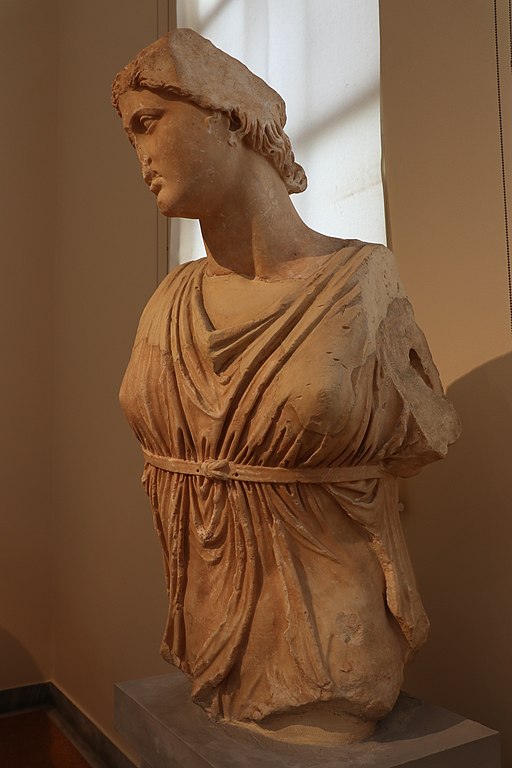
Ancient Roman brides wore a special dress and a veil and even wove flowers in the hair. What made their wedding attire unique is the girdle or belt that they wore. This belt was an essential part of bridal etiquette. By tradition, it was tied by the bride's mother with the knot of Hercules on the morning of her wedding. It represented the bride's purity, and with Hercules being the guardian of married life this strong knot could only be untied by the bride’s new husband on the wedding night. This knot created by two intertwined ropes can be traced back to ancient Egypt where it was used as a healing amulet, but in ancient Greece and ancient Rome where Hercules was known for his strength, it was a strong knot incorporated into a protective girdle worn by brides. Roman lore suggests the knot symbolized the legendary fertility of Hercules and in some way is related to the legendary Girdle of Diana captured from the Amazon Queen Hippolyta.


Marriage a negotiated deal

In ancient Rome, the male head of the household (the Paterfamilias) was responsible for finding a good match for all the children in his family. Marriage had to be outside the family. They weren’t allowed to even marry third or fourth cousins. While this sounds like an arranged marriage, one difference is that both the bride and groom had to be consenting adults and they could only be married to one person at a time (there were no divorces). However, what ‘consenting adults’ means today is far different from what it meant back then. The minimum age for females to marry was 12 and boys had to be at least 14. 
 
Once a suitable person was found, both families entered negotiations to decide which family would provide for the couple. Once the agreement was made the woman brought a dowry to her new husband’s family.

Marriage was looked at as a contract and some suggest that the giving of engagement rings in ancient Rome may have been used to signal that a contract had been made between the couple and their families. So while many practice some parts of these traditions it is easy to see why other parts have been left along the path of history.

 ***

Some links in this post are affiliate links. We are a participant in the Amazon Services LLC Associates Program, an affiliate advertising program designed to provide a means for us to earn fees by linking to amazon.com and affiliate sites.

Thanks so much for being part of our success.
 
 Photo credits: wikimedia, wikimedia, Amazon