
Vintage wedding styles are everywhere, from lace sleeves and flowing silhouettes to Old Hollywood glamour. But these designs aren’t just beautiful callbacks to the past. They are rooted in history, shaped by the beliefs, expectations, and values of the time in which they first appeared.
What feels like a personal style choice today often carries echoes of something deeper, ideas about love, identity, status, and even protection. Understanding these hidden meanings reveals that vintage wedding styles are more than trends.
They are traditions, reimagined.

Victorian-Inspired Styles: Modesty and Meaning
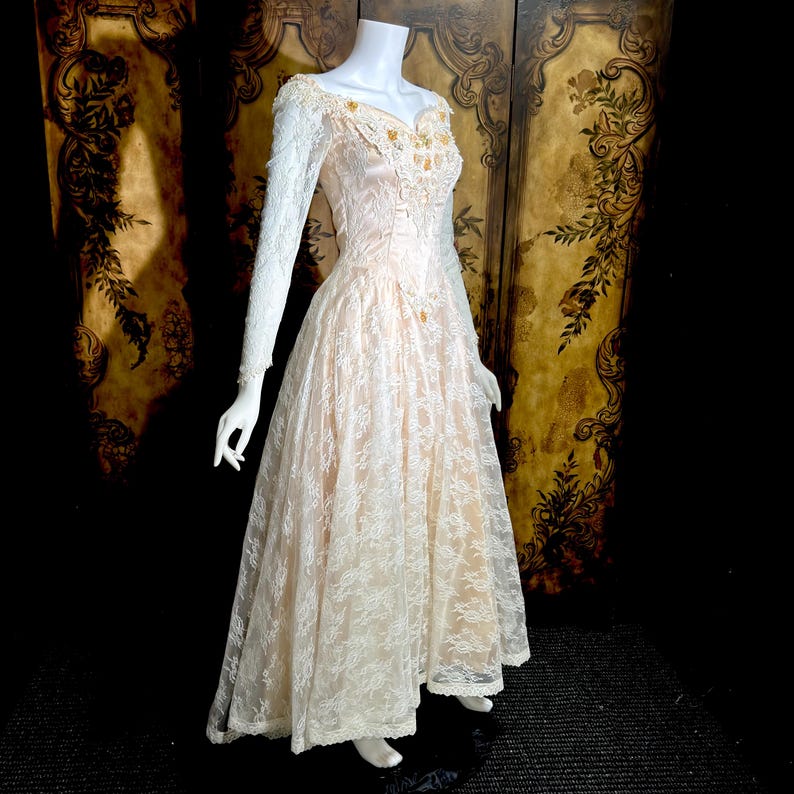
High necklines, long sleeves, and intricate lace details define Victorian-inspired wedding dresses. These styles were heavily influenced by Queen Victoria, whose 1840 wedding set lasting trends in bridal fashion.
But the look wasn’t just about elegance.
Hidden meaning:
- Modesty reflected moral character
- A bride’s appearance represented her family’s values
- Clothing emphasized virtue over individuality
In this era, weddings were as much about social standing and reputation as they were about romance.
Lace, Trains, and Embellishment: A Display of Status
Elaborate lace, long trains, and detailed embellishments are often seen as timeless and romantic. Historically, they also served a more practical purpose, signaling wealth.
Hidden meaning:
- The more fabric and detail, the higher the status
- Fine lace and long trains required resources and labor
- Impracticality itself became a symbol of privilege
Even the popularity of white gowns was tied to this idea, keeping a white dress clean was a luxury many could not afford.

1920s Styles: Freedom and Changing Roles
The 1920s introduced lighter fabrics, dropped waists, and shorter hemlines, a dramatic shift from earlier, more restrictive designs. This change followed the societal upheaval of World War I.
Hidden meaning:
- A move toward independence and self-expression
- A rejection of rigid expectations
- Marriage evolving into partnership rather than duty
These styles reflected a new vision of the modern bride, one with more agency and voice.

1950s Silhouettes: Romance and Idealism
Full skirts, cinched waists, and soft, feminine lines defined bridal fashion in the 1950s. This look was popularized in part by figures like Grace Kelly, whose wedding dress became iconic.
Hidden meaning:
- A return to traditional gender roles
- Marriage as stability and idealized romance
- Emphasis on grace, beauty, and refinement
In a time of cultural rebuilding, weddings reflected a desire for comfort, order, and enduring love.
1970s Bohemian Styles: Nature and Individuality
Flowing fabrics, relaxed silhouettes, and floral crowns define the bohemian styles of the 1970s, many of which remain popular today.
Hidden meaning:
- Connection to nature and natural cycles
- Emphasis on individuality and personal expression
- A more spiritual or less formal view of marriage
These styles echo older traditions where weddings were closely tied to the land, seasons, and fertility.
Veils and Layers: Protection and Symbolism
Many vintage-inspired looks include veils, long sleeves, or layered fabrics, details that once held symbolic meaning beyond appearance.
Hidden meaning:
- Protection from evil spirits or bad luck
- Concealment to ward off jealousy or ill intent
- Acknowledgment of the wedding as a vulnerable, transitional moment
These elements connect directly to long-standing wedding superstitions and protective rituals.
Why These Styles Are Returning
Vintage wedding styles continue to resonate with modern brides, but not just because they are beautiful.
They offer something more:
- A sense of history and continuity
- Meaning behind aesthetic choices
- A way to express identity through tradition
Today’s brides are not simply following tradition; they are choosing which traditions to carry forward.
A Tradition Reimagined
Many of these vintage styles were originally paired with symbolic color choices—each carrying its own meaning across cultures.
You can explore those traditions further in “The Hidden Meaning of Wedding Colors Around the World.”
Together, these elements reveal a deeper truth:
Weddings have always been about more than the moment. They are shaped by the beliefs, values, and hopes of the people taking part.
More Than a Style Choice
What we call “vintage” today was once modern, designed to reflect the world as it was.
Now, as these styles return, they bring their meanings with them.
Whether a bride chooses lace for its elegance, a flowing gown for its freedom, or a veil for its symbolism, she is participating in a tradition that stretches far beyond the present.
A tradition woven not just in fabric, but in meaning.
***
Some links in this post are affiliate links. We are a participant in the Amazon Services LLC Associates Program, an affiliate advertising program designed to provide a means for us to earn fees by linking to amazon.com and affiliate sites.