About Wedding Traditions & Meanings

Showing posts with label vena amoris. Show all posts

Thursday, April 2, 2026

Sponsalia: The Ancient Roman Betrothal Ceremony

Before engagement rings and modern proposals, Romans had a formal betrothal ritual called the Sponsalia. This ceremony laid the foundation for many of the customs we now associate with engagements and weddings, including the exchange of rings and the symbolic use of the fourth finger, or ring finger.


Annulis Pronubos

What Was the Sponsalia?

The Sponsalia was a legally recognized betrothal ceremony in Ancient Rome. Unlike modern engagements, it was a public declaration of intent to marry, binding families as well as the couple. During the ceremony, the groom presented the bride with an iron ring, known as the annulus pronubis.

Based on historical records and surviving rings from Ancient Rome, the betrothal ring was most likely as simple iron band, usually plain and unadorned. It had no gemstone or elaborate engraving (especially in early periods). 

Accepting the ring, the bride might say “Nubo,” meaning “I veil myself,” signaling that she was promised to her future husband. This ritual served multiple purposes:

  • It formalized the promise between the couple.

  • It demonstrated the groom’s commitment to the bride’s family.

  • It often reflected the groom’s ability to provide financial support.

Rings in the Sponsalia

The iron ring worn at home symbolized fidelity and domestic duties, while a gold ring, sometimes given for public occasions, represented status and permanence.

Interestingly, the placement of the ring on the fourth finger comes from this era. Ancient Greeks believed a vein ran from that finger directly to the heart—the famous vena amoris, or “vein of love”—and Romans adopted this belief. Over time, this became the tradition of wearing the engagement or wedding ring on the left-hand ring finger.

Social and Cultural Context

Rings in Rome were not merely decorative. Laws regulated who could wear certain metals:

  • Gold rings: Initially reserved for freeborn citizens.

  • Silver rings: Worn by freed slaves.

  • Iron rings: Common for domestic wear or modest status.

The Sponsalia also reflected broader cultural and religious beliefs. Some scholars suggest that earlier pagan practices—such as binding a woman symbolically to the man she loved—were adapted into the ceremony. Early Christians, while cautious of such superstitions, eventually incorporated rings into marriage rituals, emphasizing commitment over control.


Legacy of the Sponsalia

Legacy of the Sponsalia

The Sponsalia influenced several aspects of modern marriage traditions:

  • The engagement ring: evolving from the iron and gold rings of betrothal.

  • The ring finger: the tradition of wearing the ring on the fourth finger.

  • The idea of publicly declaring commitment before marriage.

Although the rituals themselves have changed, the Sponsalia shows that the exchange of rings and the formal promise of marriage have been central to Western culture for over two millennia.

Why Study Sponsalia Today?

Understanding the Sponsalia enriches our appreciation of wedding and engagement traditions. It reminds us that what seems ordinary today—slipping a ring onto a finger—is part of a long, fascinating history of symbolism, family alliances, and societal rules.


Friday, October 30, 2020

3 little know facts about ancient Roman weddings

 (Updated December 2025)

I often mention Ancient Rome in relation to the origins of wedding traditions still practiced today in Western cultures. This post takes a look at three practices embedded within those traditions that we no longer include in our own rituals. 


Engagement ring and what it symbolized

Today's tradition of wearing an engagement ring on the fourth finger of the left hand, can be traced back to the Ancient Romans. This finger was believed to have a vein that ran directly to the heart, the Vena Amoris, which means 'vein of love'. Belief in that vein of love brought with it the hope that wearing the ring would encourage love, but legally this piece of wedding jewelry represented that the woman was about to pass from the ownership of her father to her future husband. Therefore, only women wore engagement rings in ancient Rome.


Ancient Roman wedding belt and the knot of Hercules

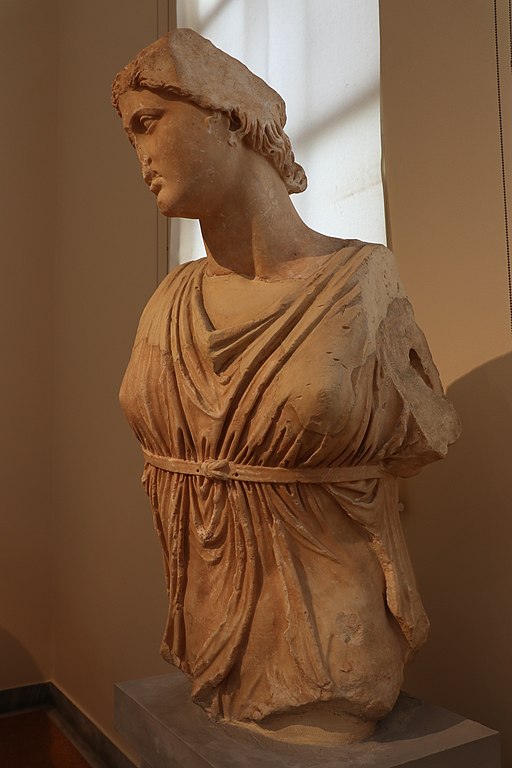
Ancient Roman brides wore a special dress and a veil and even wove flowers in the hair. What made their wedding attire unique is the girdle or belt that they wore. This belt was an essential part of bridal etiquette. By tradition, it was tied by the bride's mother with the knot of Hercules on the morning of her wedding. It represented the bride's purity, and with Hercules being the guardian of married life this strong knot could only be untied by the bride’s new husband on the wedding night. This knot created by two intertwined ropes can be traced back to ancient Egypt where it was used as a healing amulet, but in ancient Greece and ancient Rome where Hercules was known for his strength, it was a strong knot incorporated into a protective girdle worn by brides. Roman lore suggests the knot symbolized the legendary fertility of Hercules and in some way is related to the legendary Girdle of Diana captured from the Amazon Queen Hippolyta.


Marriage a negotiated deal

In ancient Rome, the male head of the household (the Paterfamilias) was responsible for finding a good match for all the children in his family. Marriage had to be outside the family. They weren’t allowed to even marry third or fourth cousins. While this sounds like an arranged marriage, one difference is that both the bride and groom had to be consenting adults and they could only be married to one person at a time (there were no divorces). However, what ‘consenting adults’ means today is far different from what it meant back then. The minimum age for females to marry was 12 and boys had to be at least 14. 
 
Once a suitable person was found, both families entered negotiations to decide which family would provide for the couple. Once the agreement was made the woman brought a dowry to her new husband’s family.

Marriage was looked at as a contract and some suggest that the giving of engagement rings in ancient Rome may have been used to signal that a contract had been made between the couple and their families. So while many practice some parts of these traditions it is easy to see why other parts have been left along the path of history.

 ***

Some links in this post are affiliate links. We are a participant in the Amazon Services LLC Associates Program, an affiliate advertising program designed to provide a means for us to earn fees by linking to amazon.com and affiliate sites.

Thanks so much for being part of our success.
 
 Photo credits: wikimedia, wikimedia, Amazon